
Techspressionism: “Expressionism for the Digital Age.”
In 2020, at the height of the pandemic, four artists came together on Zoom with art historian Helen A. Harrison, longtime director of the Pollock-Krasner House and Study Center. Their first gathering marked the beginning of an artist group based around the idea of Techspressionism, which they collectively defined in this meeting as ‘an artistic approach in which technology is utilized as a means of expressing emotional experience.’ Since then, the group has grown into an international community of over 450 artists across 50 countries exploring the creative possibilities of technology. The group holds monthly online Salons in which artists share their work and ideas. The Techspressionist community has organized exhibitions in museums and galleries in the United States and abroad. This website is the home to a free, searchable video archive of its salons, artist interviews, roundtable discussions and presentations. The community is open to everyone.
techspressionism
/tek-spresh-uh-niz-uh m/
- An artistic approach in which technology is utilized as a means
to express emotional experience- A 21st century artistic and social movement
“Each age finds its own technique”.
– Jackson Pollock
SALONS
Techspressionist Salons are a time and place in cyberspace where artists gather once a month to hang out, share their work and discuss matters relating to art, philosophy, and technology. These meetups were conceived as a modern counterpart to the Surrealist salons of the 1920s, in which artists could meet informally to socialize and discuss ideas. Techspressionism is a 100% volunteer-based international artist community.
UPCOMING EXHIBITION

RECENT EXHIBITIONS

THE JOURNAL


The Techspressionist Journal (TSJ) brings artists’ voices into wider conversations about art, technology and emotion, one issue and one article at a time.
Issue 001, AI Slop in Art: An Excuse Not to Look? asks whether calling something “AI slop” describes the work, or excuses people from looking at it. The answer runs through Beeple, Refik Anadol and the artists of the Techspressionism archive.
LATEST INTERVIEW
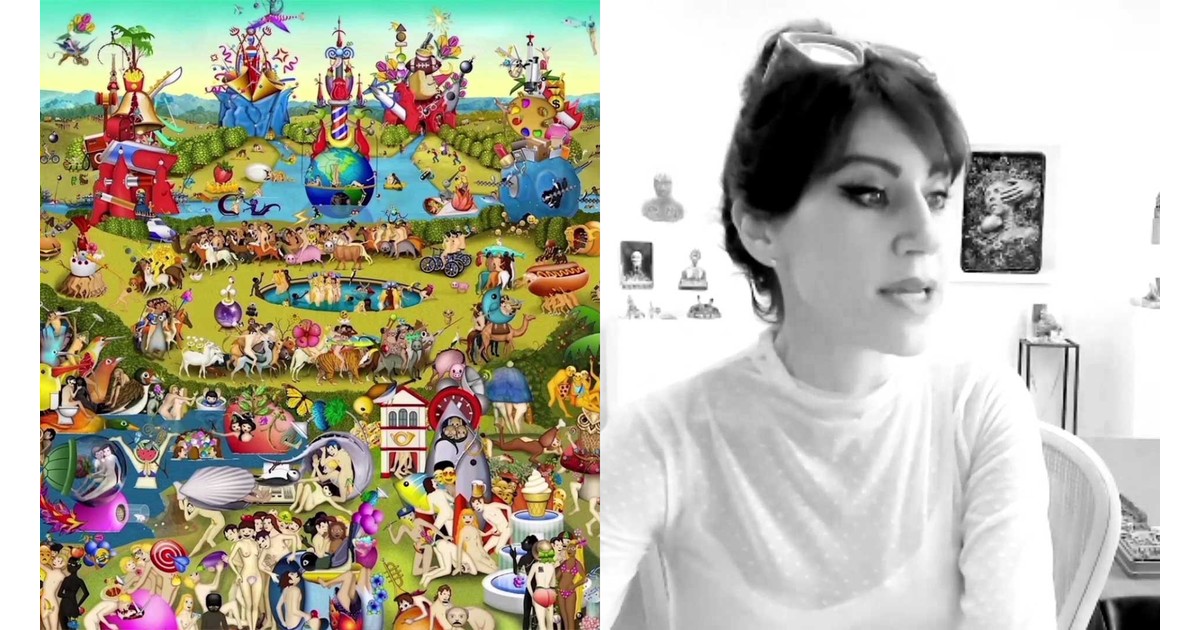
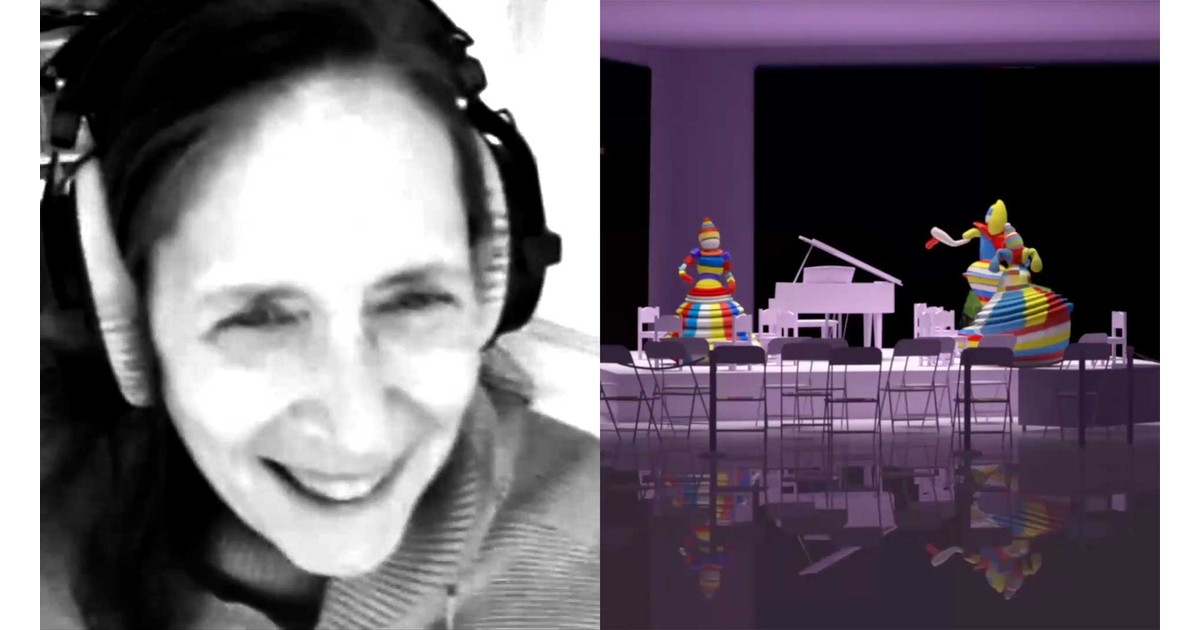
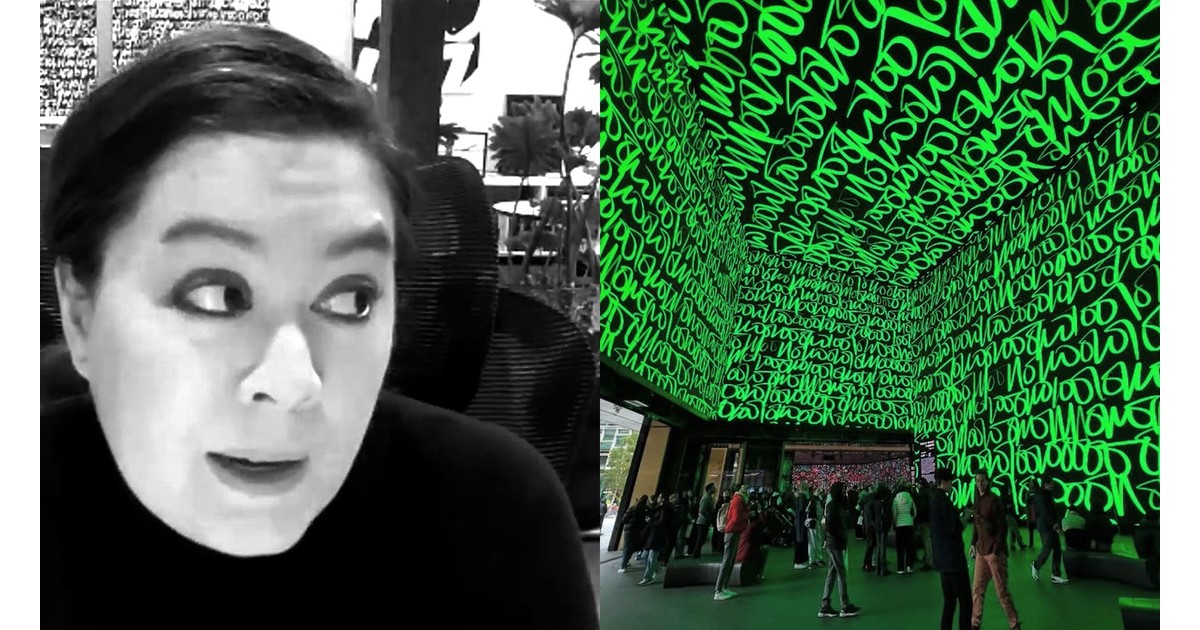
Techspressionist Interviews feature artists interviewing artists in the spirit of Warhol’s Interview Magazine.
RECENT INTERVIEWS
WATCH A VIDEO
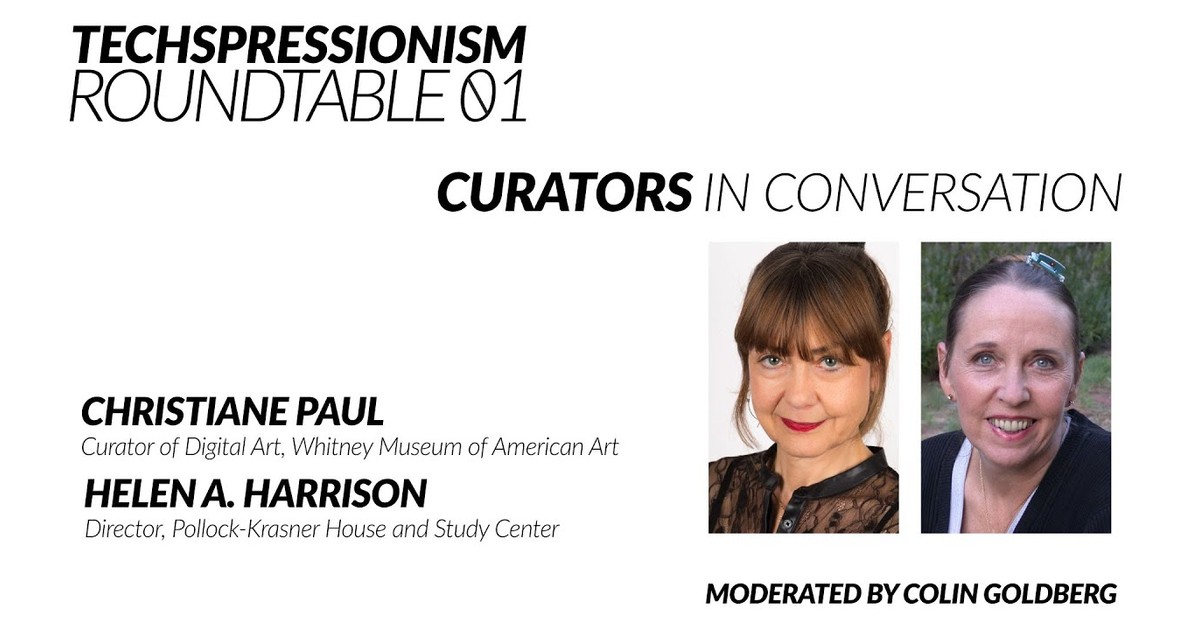
The Techspressionism Video Archive is a searchable, citable archive of Techspressionist salons, artist interviews, roundtable discussions and artist presentations published from 2020–2026, and a research tool for scholars, historians and anyone with an interest in Techspressionism. Recordings can be browsed by artist, and every transcript is linked to the exact moment in the video.
Built in Python with Claude Code. As of October 2026, 149 recordings have been processed, with a running total of 220 hours transcribed.
VIRTUAL CO-WORKING
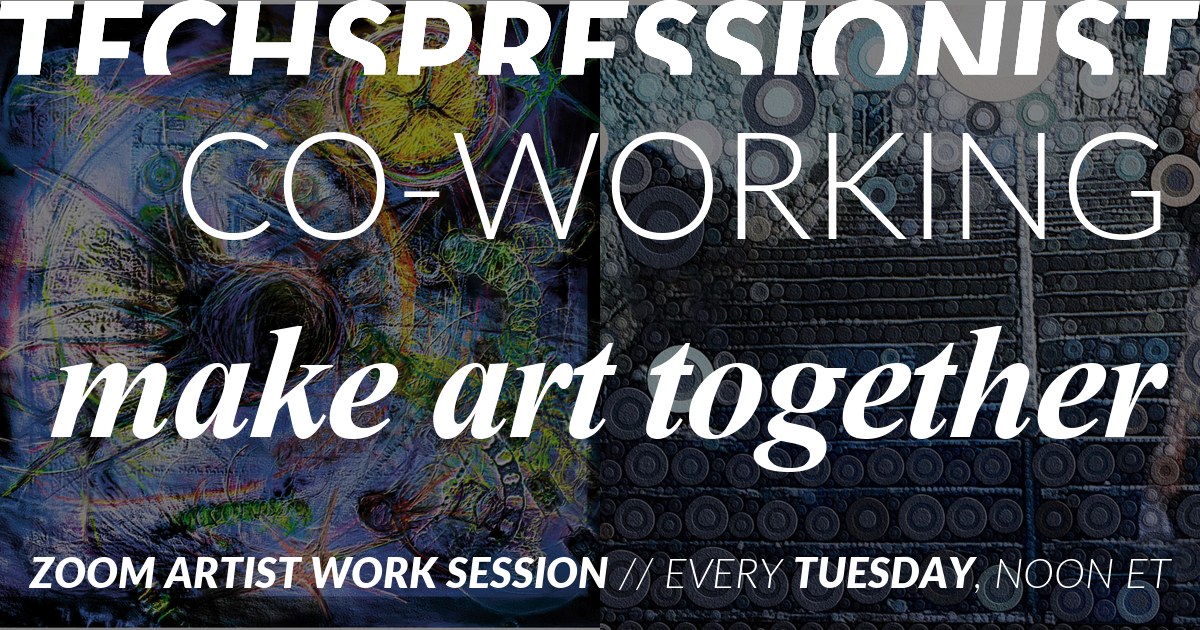
Techspressionist Co-Working sessions are weekly free, Zoom-based gatherings that offer a focused, supportive space for artists to connect and create together. Each session begins with brief intentions, followed by one hour of independent work and an optional share-out. Total time: 1.5 hours. Artists meet on Zoom every Tuesday at noon, Eastern Time.
Founded by: Cynthia Beth Rubin and Cynthia DiDonato
“You’re a Techspressionist when you say you are”.
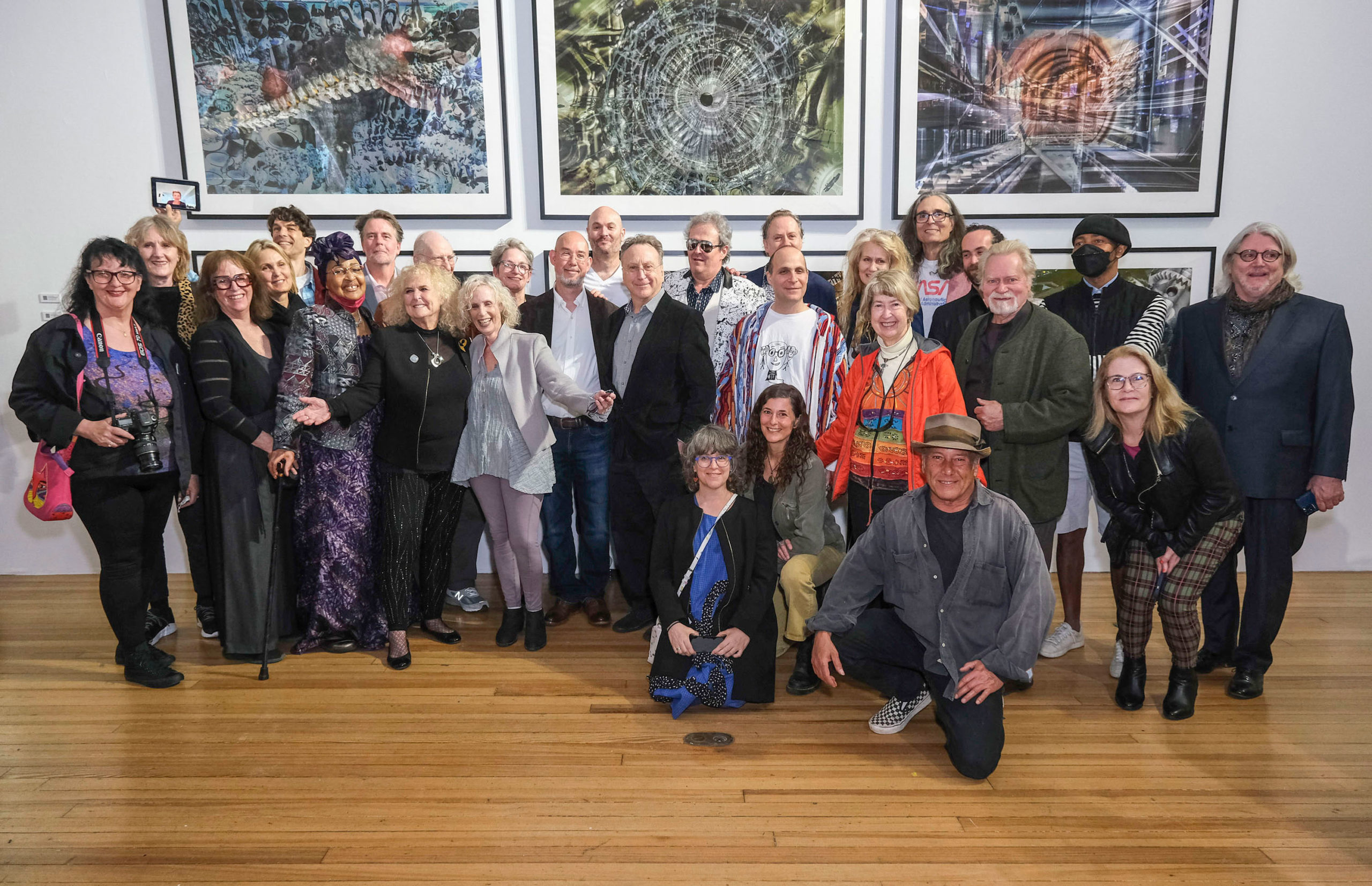
Techspressionism: Digital and Beyond opening reception, Southampton Arts Center, April 23, 2022. Photo © 2022 Rob Rich/SocietyAllure.com
Unlike most artist groups, membership in Techspressionism is based on self-identification. Anyone is free to call themselves a Techspressionist, use the hashtag on their social media posts, and attend our Salons and co-working sessions. There are no dues or fees for membership. You are a Techspressionist when you say you are.
CRITICAL COMMENTARY
Helen A. Harrison
Curator, Art Historian, Director, Pollock-Krasner House and Study Center, 1990-2024
In 1928, ruminating on the rapid pace and profound nature of change in the twentieth century, the French poet and philosopher Paul Valéry wrote: “We must expect great innovations to transform the entire technique of the arts, thereby affecting artistic invention itself and perhaps even bringing about an amazing change in our very notion of art.” This prediction so impressed the cultural critic Walter Benjamin that he used it as the epigraph of his famous 1935 essay, “The Work of Art in the Age of its Technological Reproducibility” (as it was originally titled). These writers and others were pondering the same issues that face the artists who now, nearly a century later, self-identify as Techspressionists.
Thanks to digital technologies and the Internet, works of art have become, in Valéry’s formulation, ubiquitous; as he foresaw, “We shall only have to summon them and there they will be.” This level of accessibility requires us to adopt and accept new attitudes toward creative expression. As Benjamin observed, the debate regarding the artistic validity of new media, begun with photography and cinema in the late nineteenth century, centers on the so-called aura of the singular work of art. And the aura of uniqueness remains powerful. Yet a digitally-generated artwork is not a reproduction in the conventional sense—that is, a copy of something else—though it can be, and often is, reproduced in multiples that are indistinguishable one from another.
Hand-made versus mechanical. One-off versus duplication. Such binaries ultimately resolve in light of the works of art themselves. By whatever technique it’s created, Techspressionist imagery generates its own aura, deriving its authenticity from the artist’s intention. Expression is paramount; technology is merely the delivery system. Jackson Pollock faced a similar concern. Frustrated by the focus on his materials and methods rather than the content of his paintings, he insisted, “It doesn’t make much difference how the paint is put on as long as something is being said. Technique is just a means of arriving at a statement.”
- 2020Founded at the first Techspressionist Salon, September 1, 2020
- 450+artists from 50 countries in the Visual Artists Index
- 110+Techspressionist Salons since September 2020
- Exhibitionsin Southampton, New York City, Los Angeles, Chicago, Cape Cod and Uzbekistan
- 87,000+Instagram posts tagged #techspressionism (September 2026)
- 148recordings, transcribed and searchable in the Video Archive