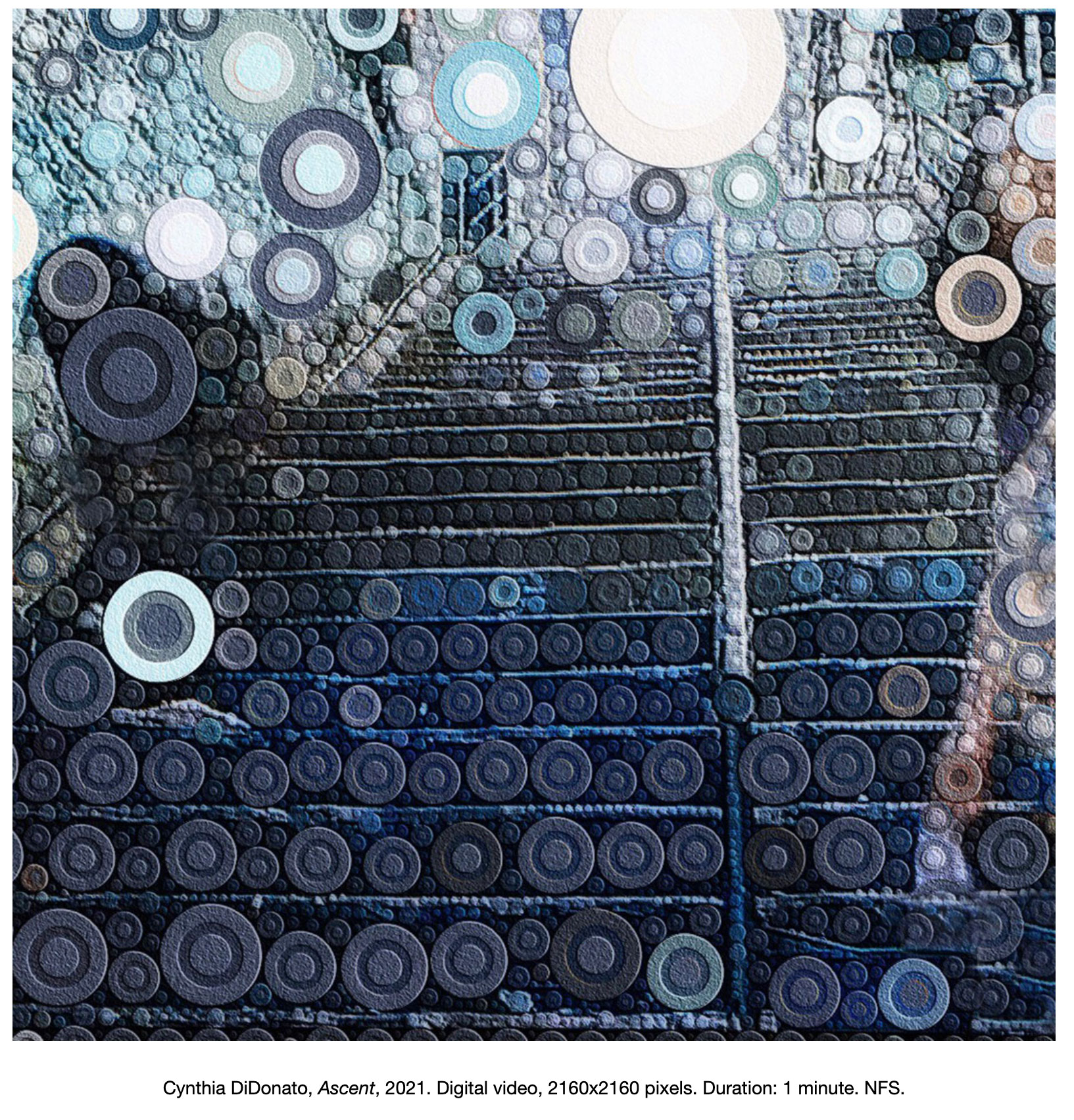
Techspressionism: “Expressionism for the 21st Century.”
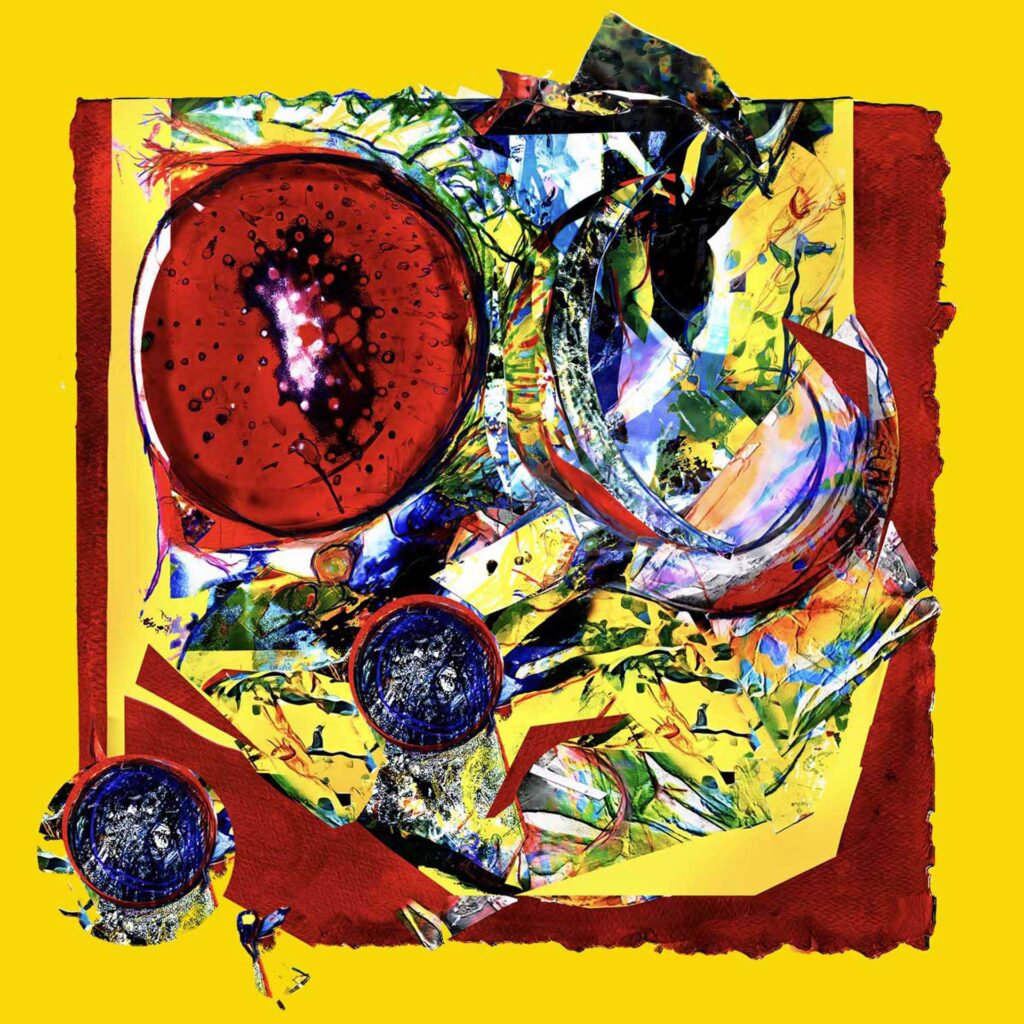


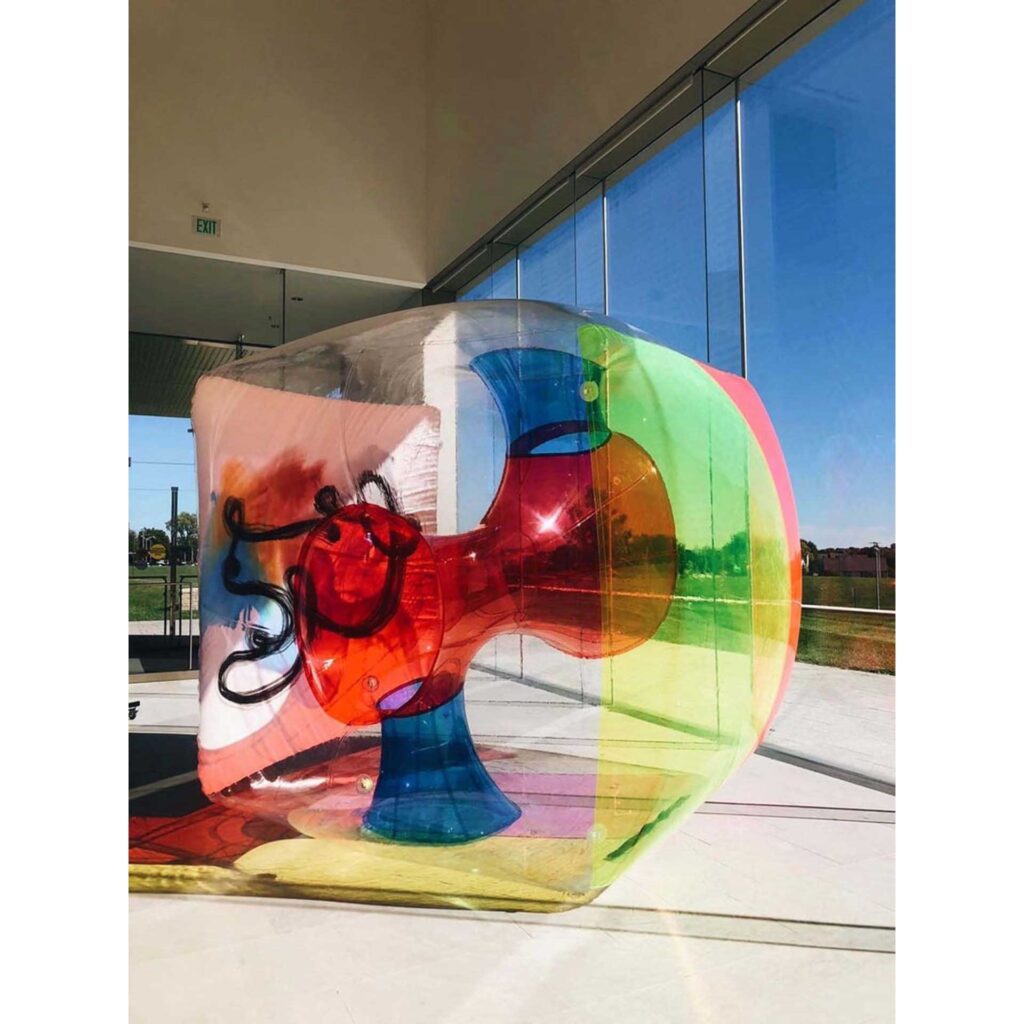
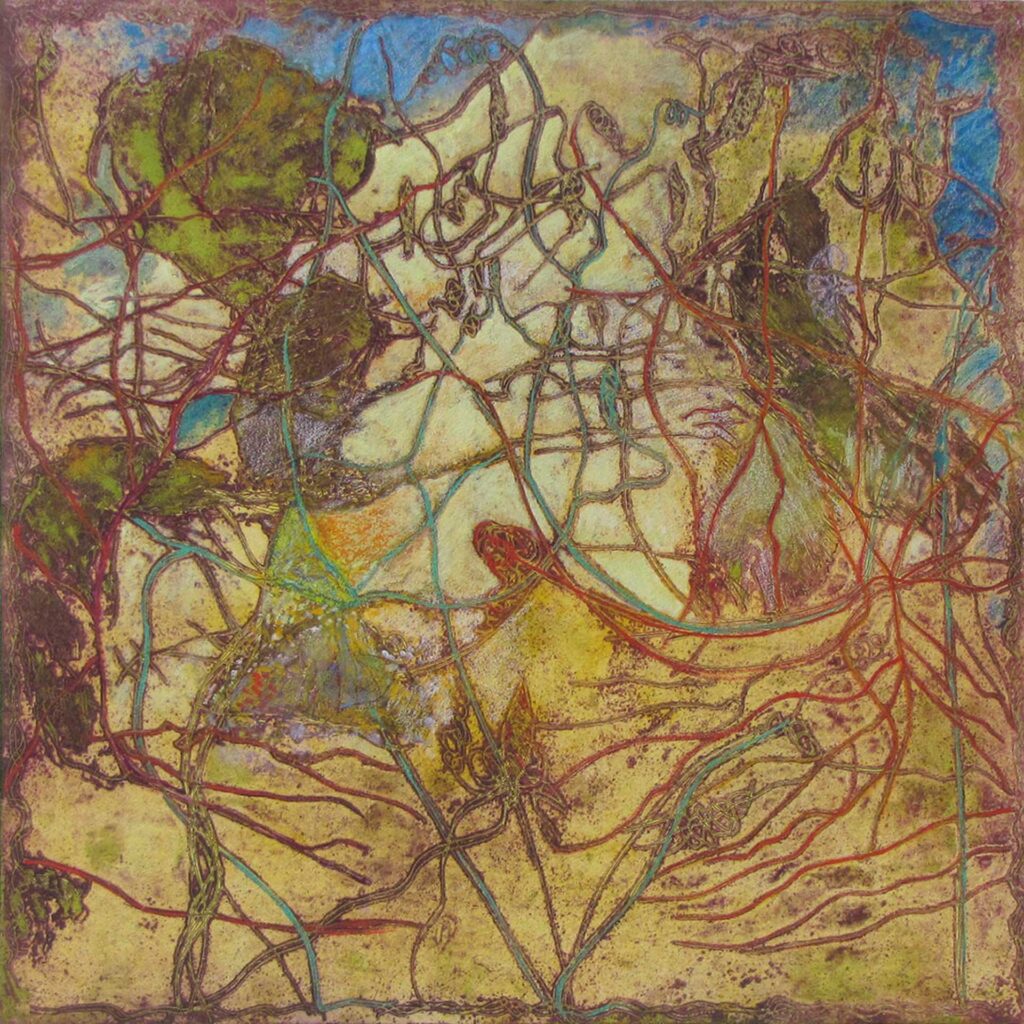


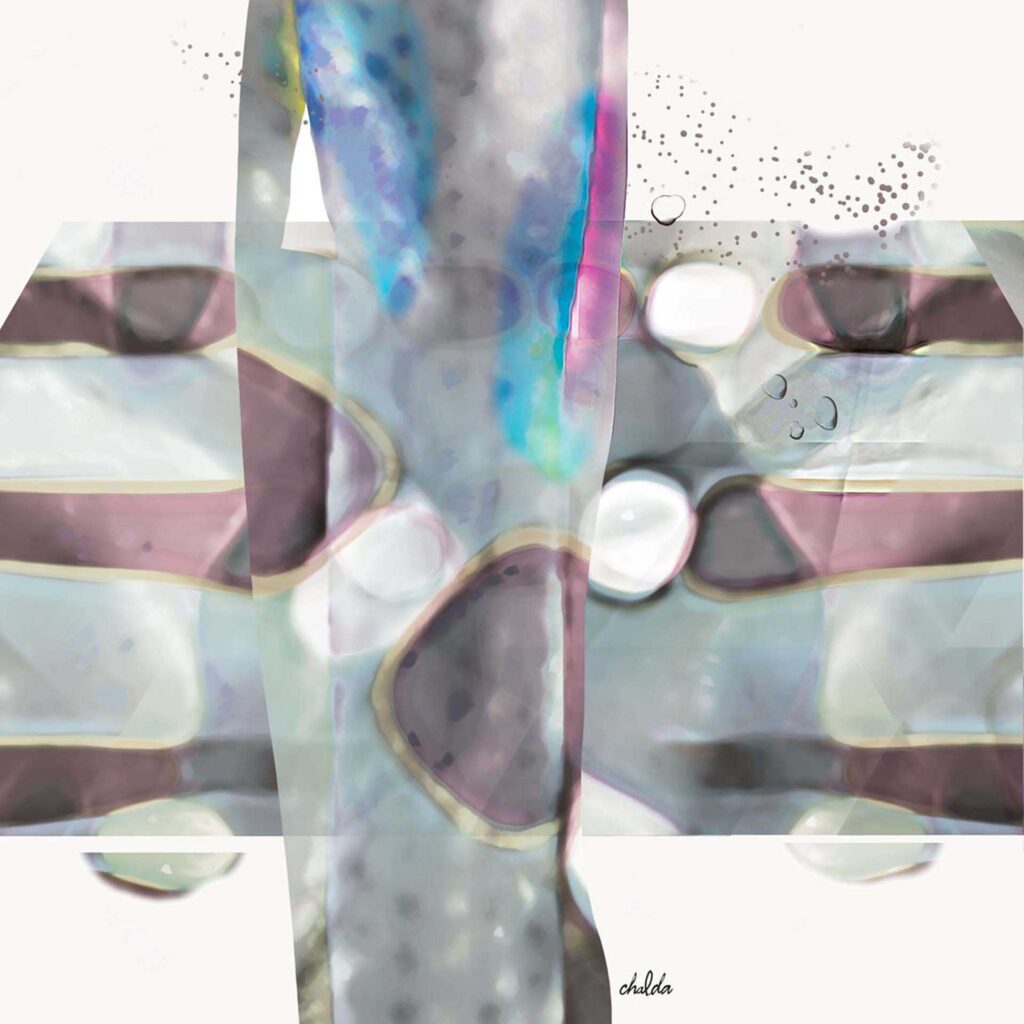

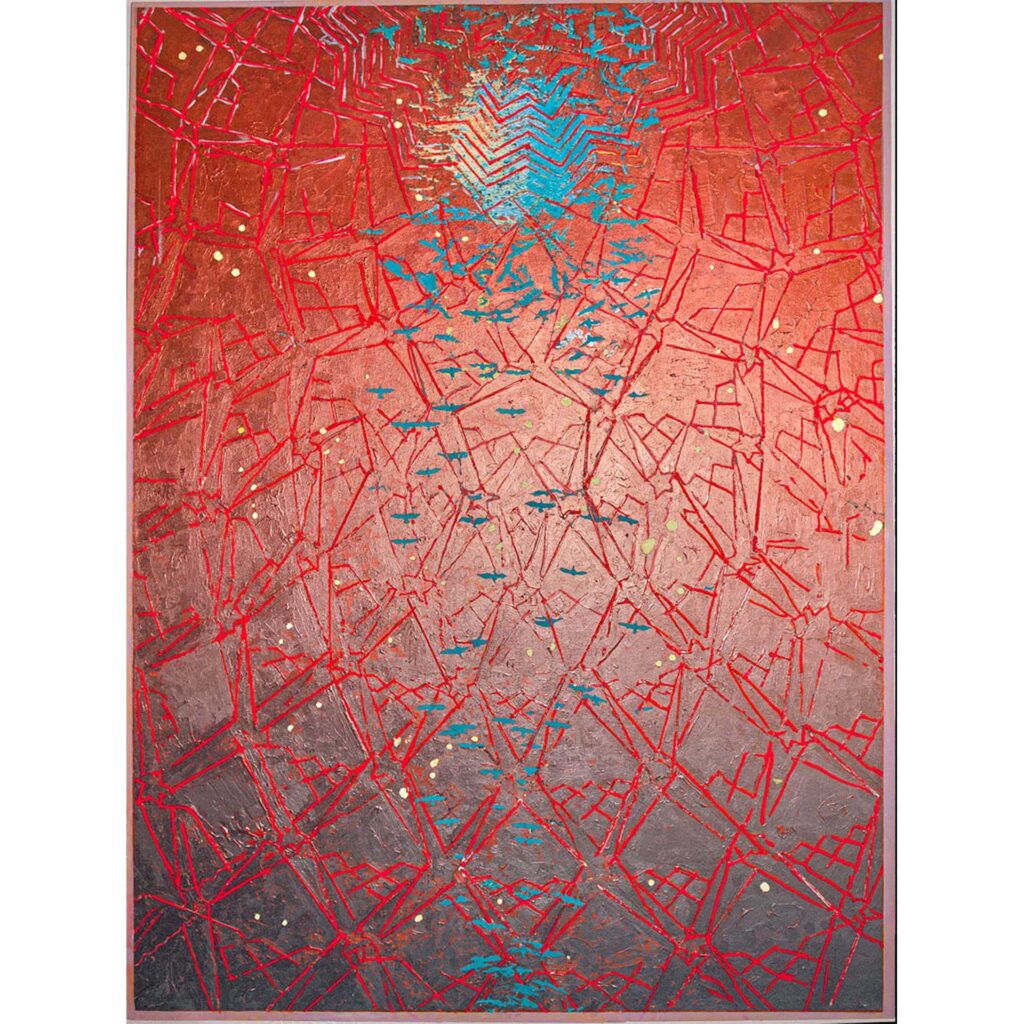

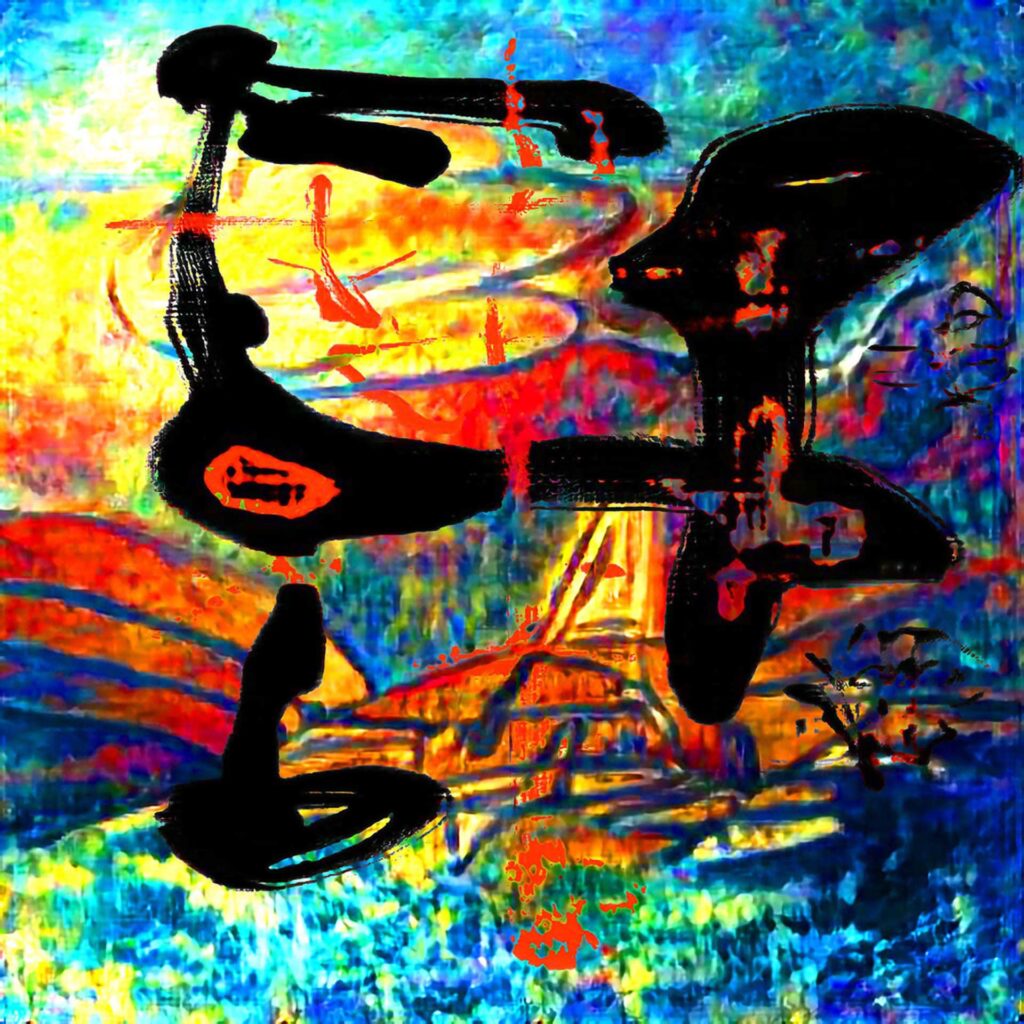


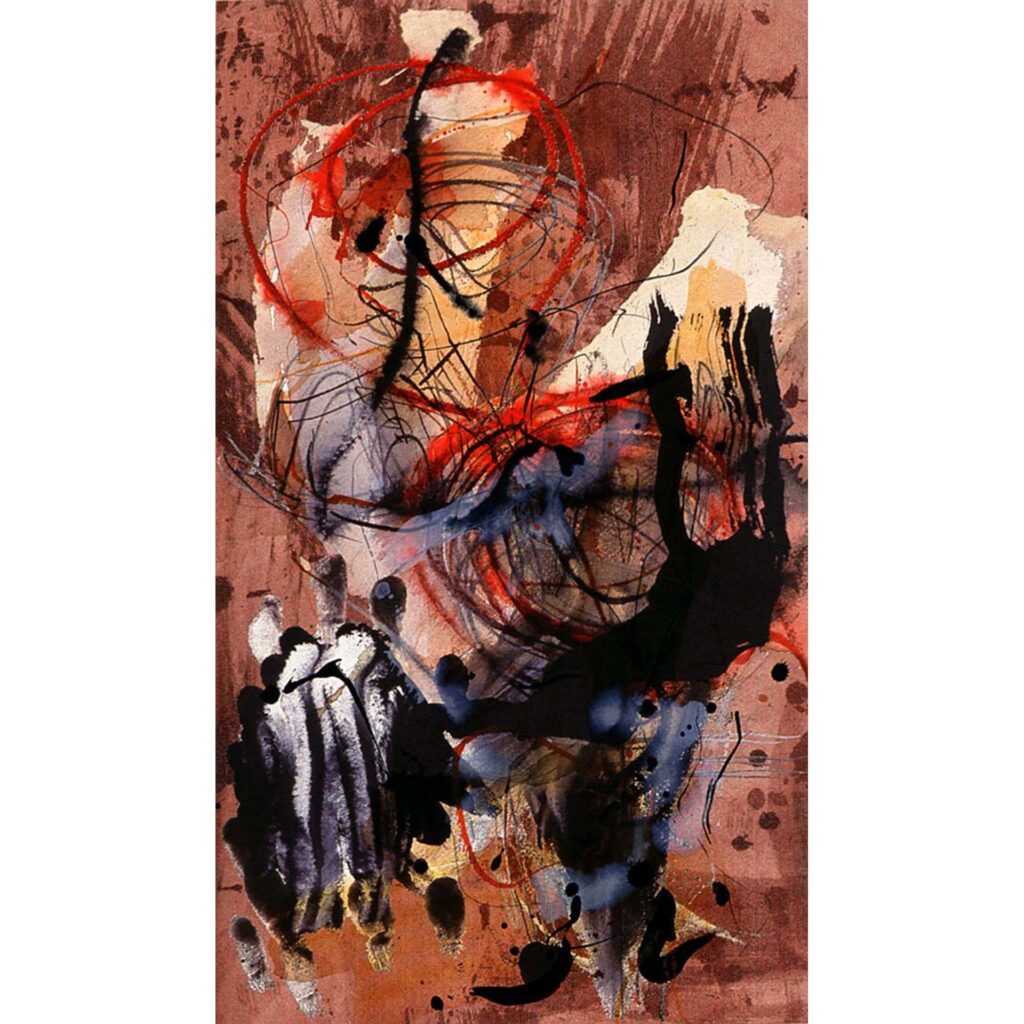


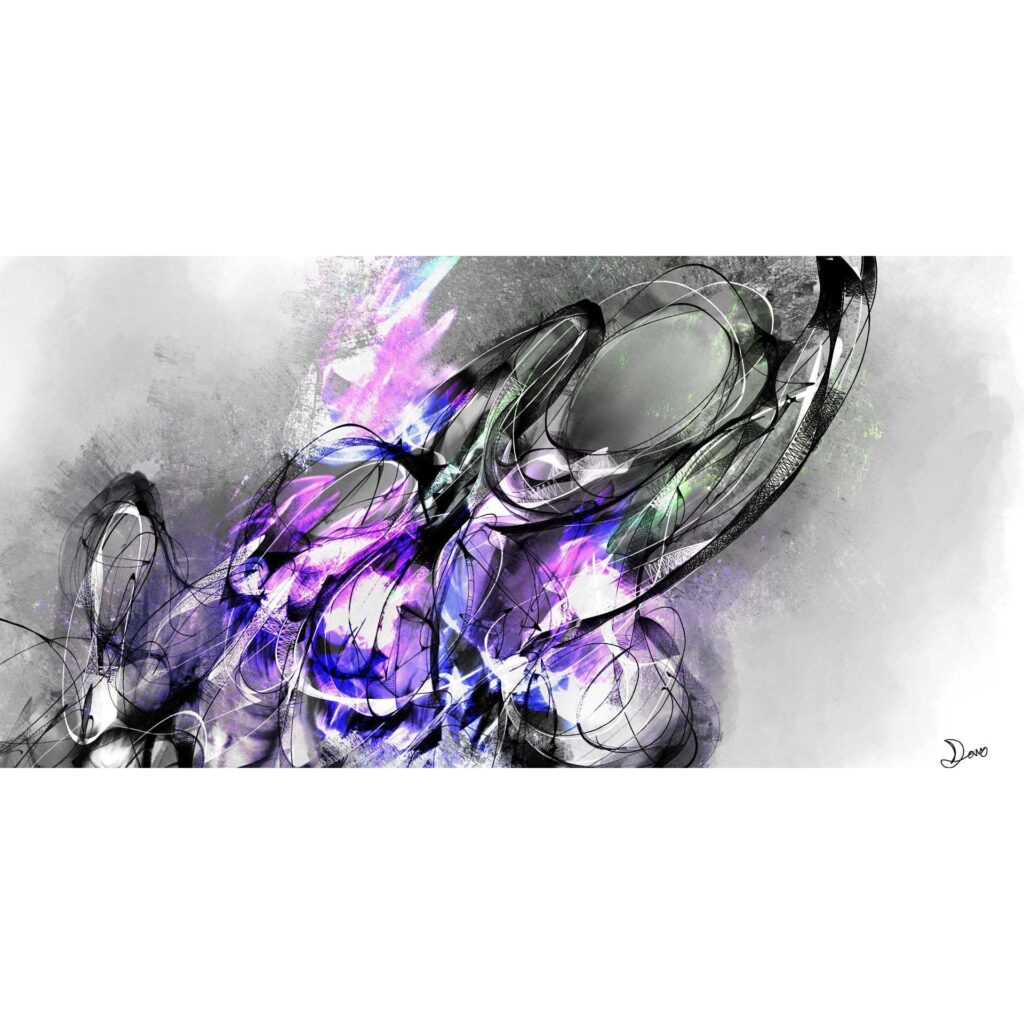


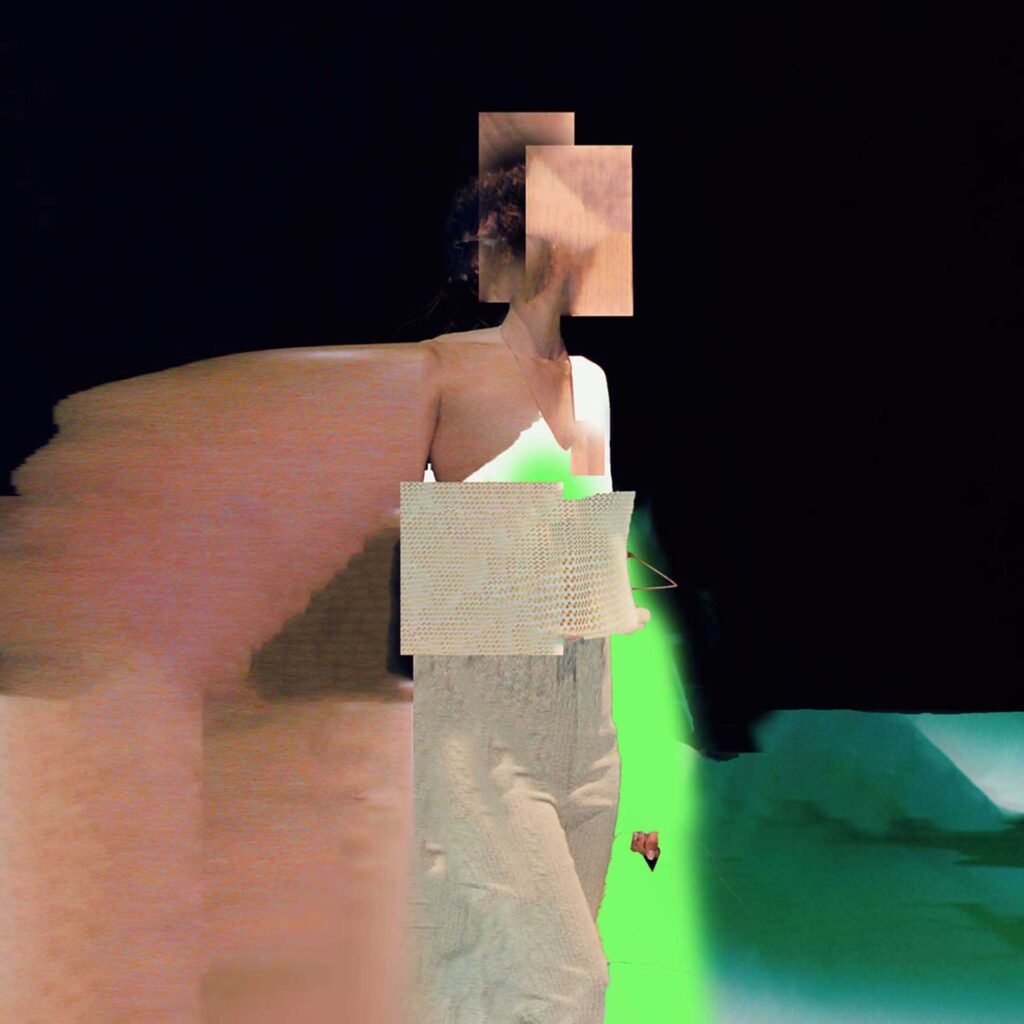

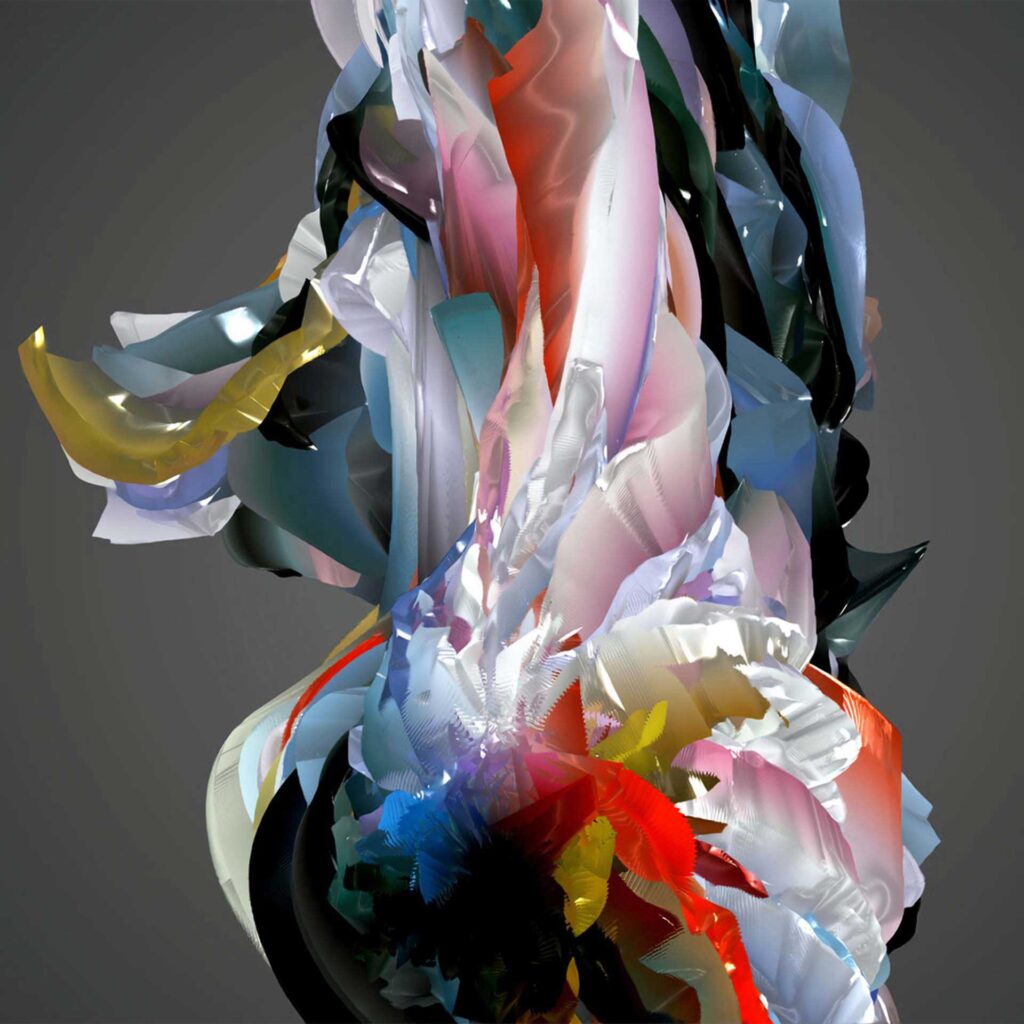

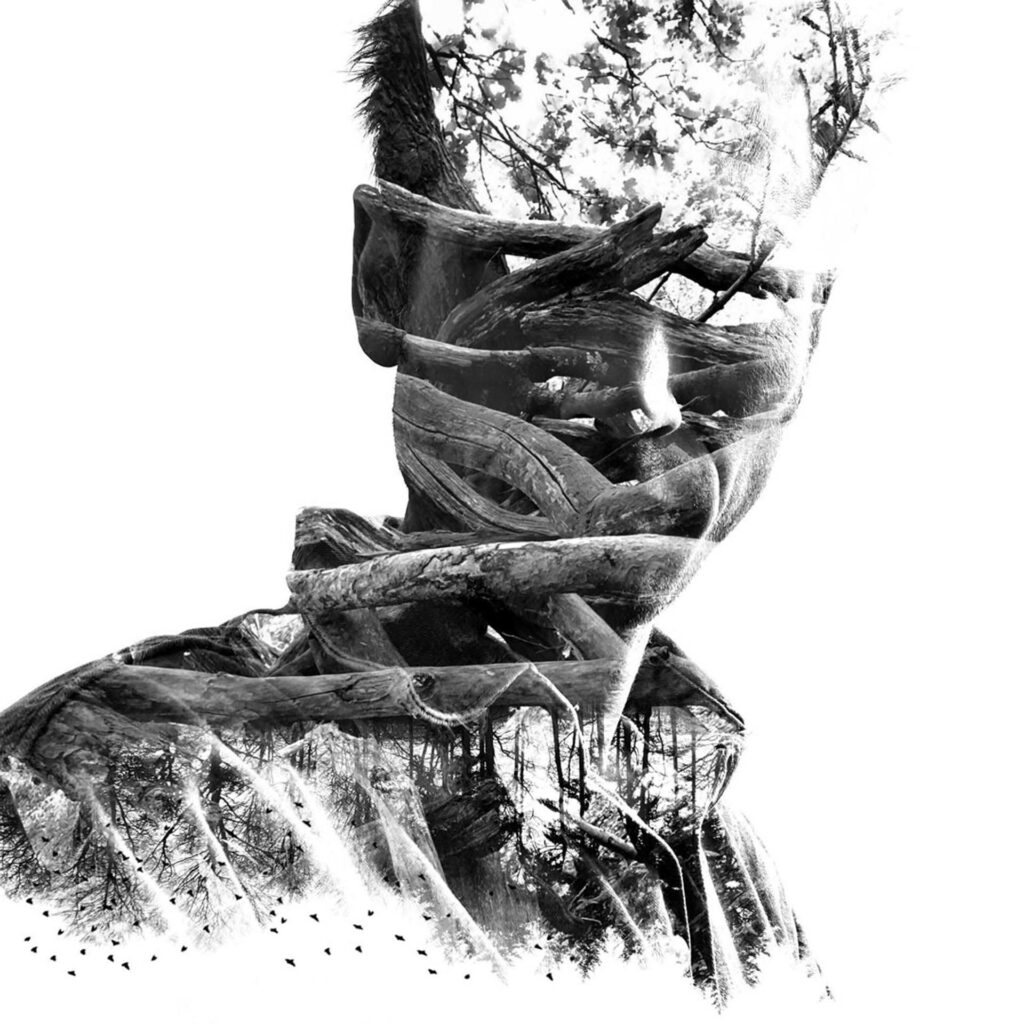


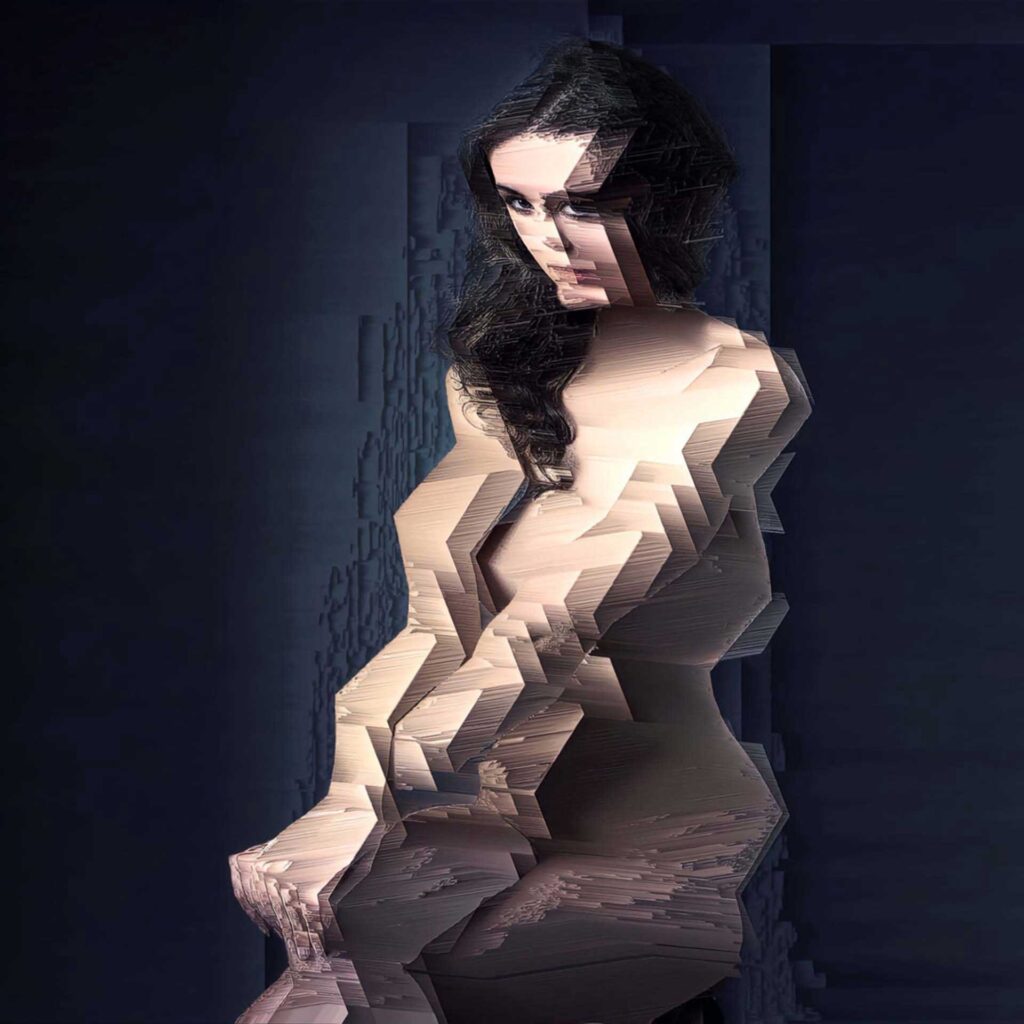
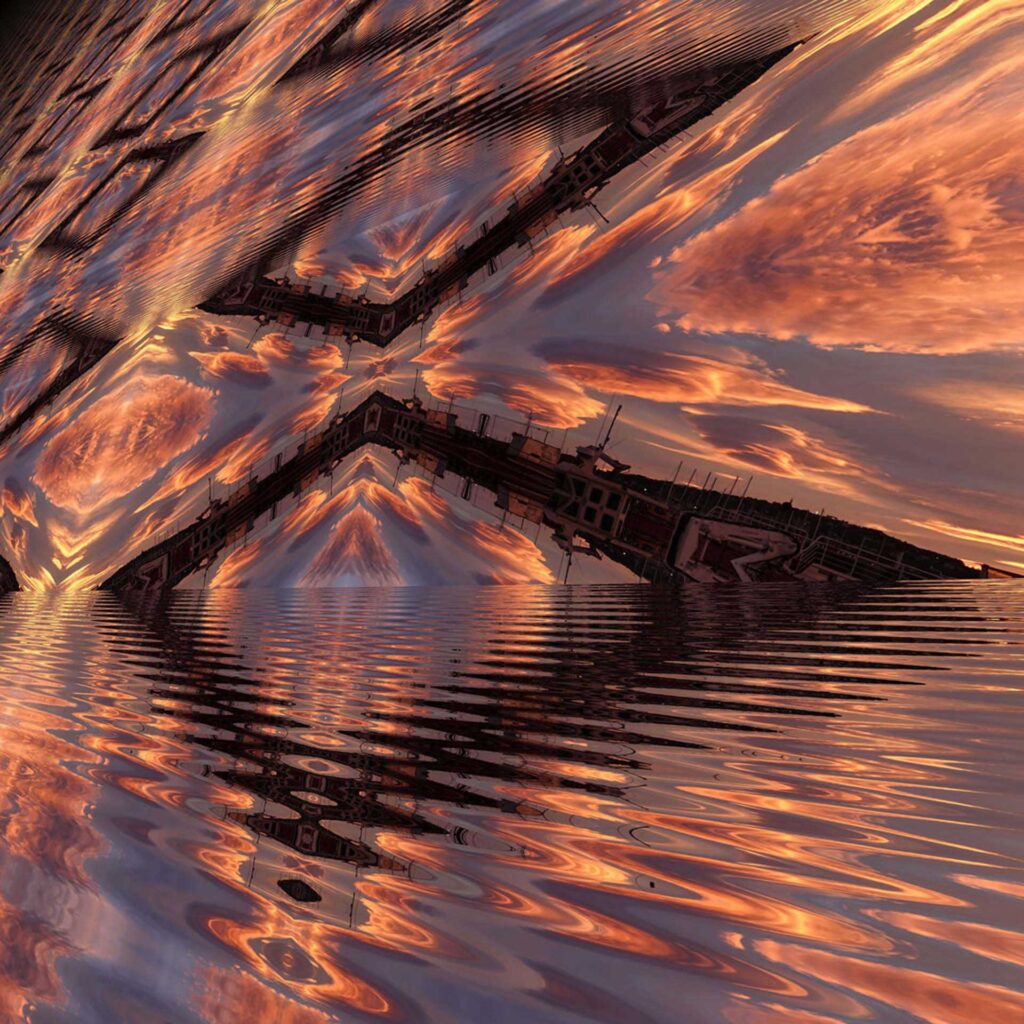

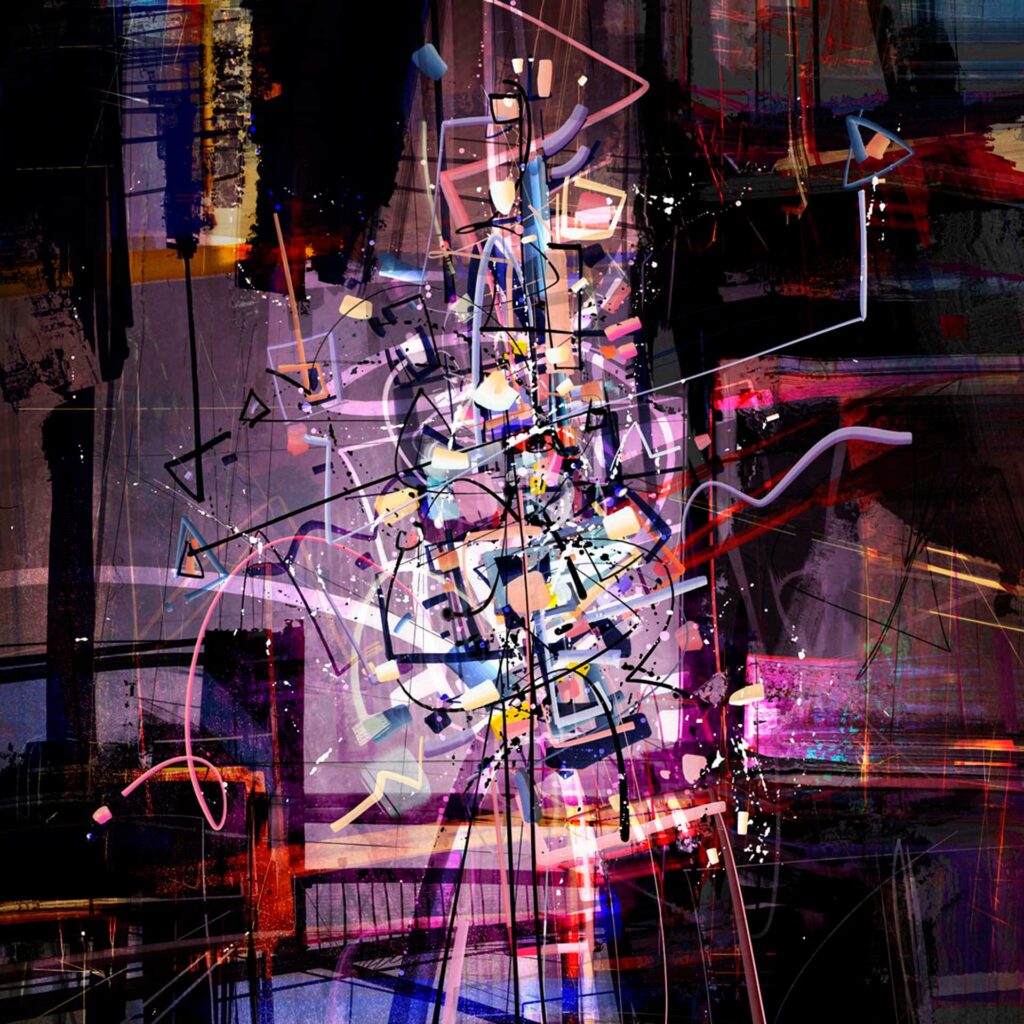

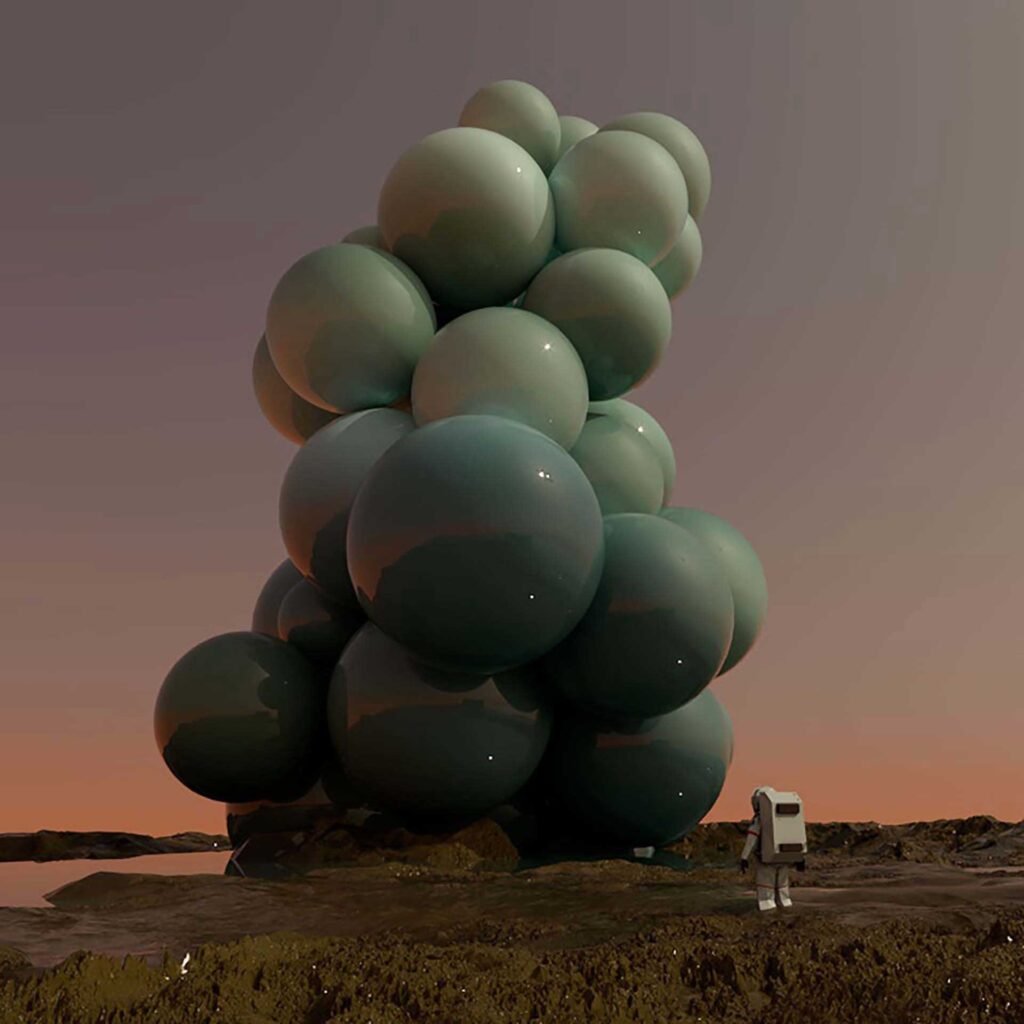
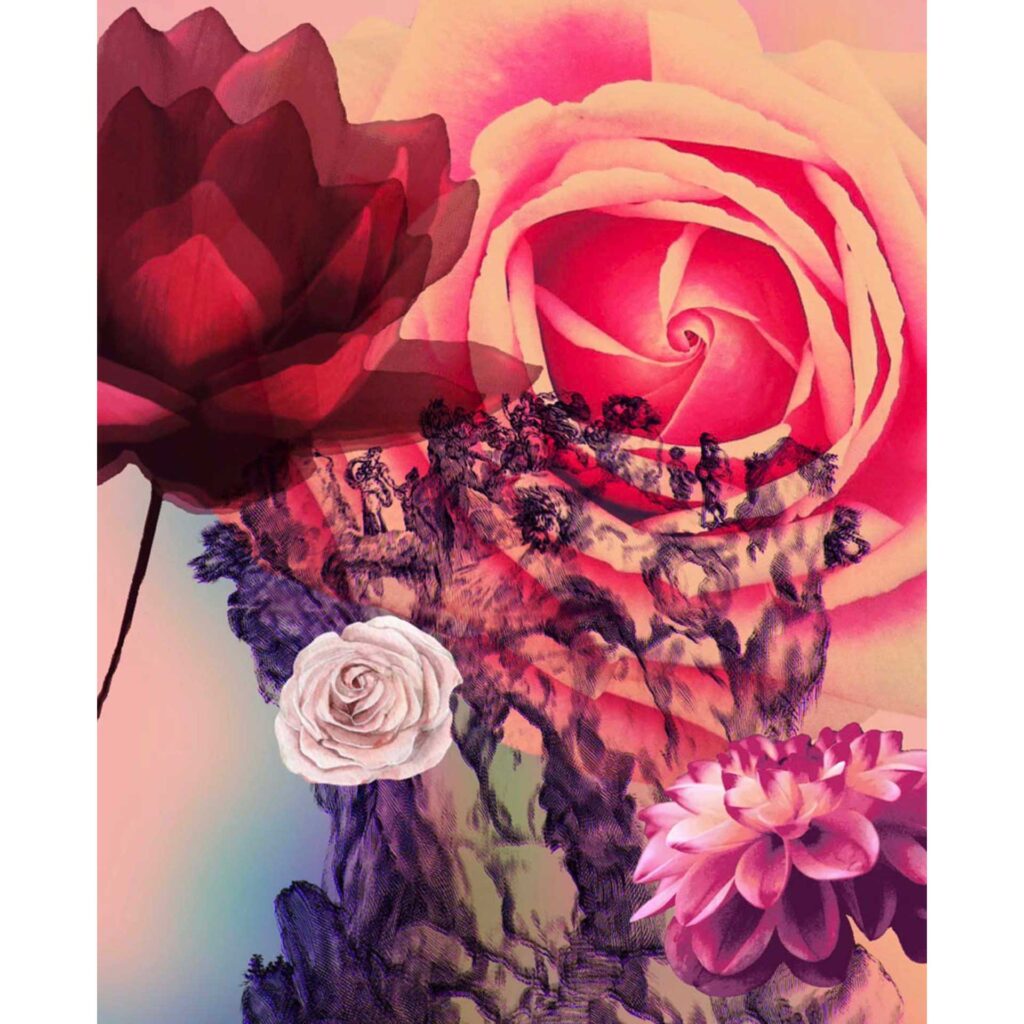
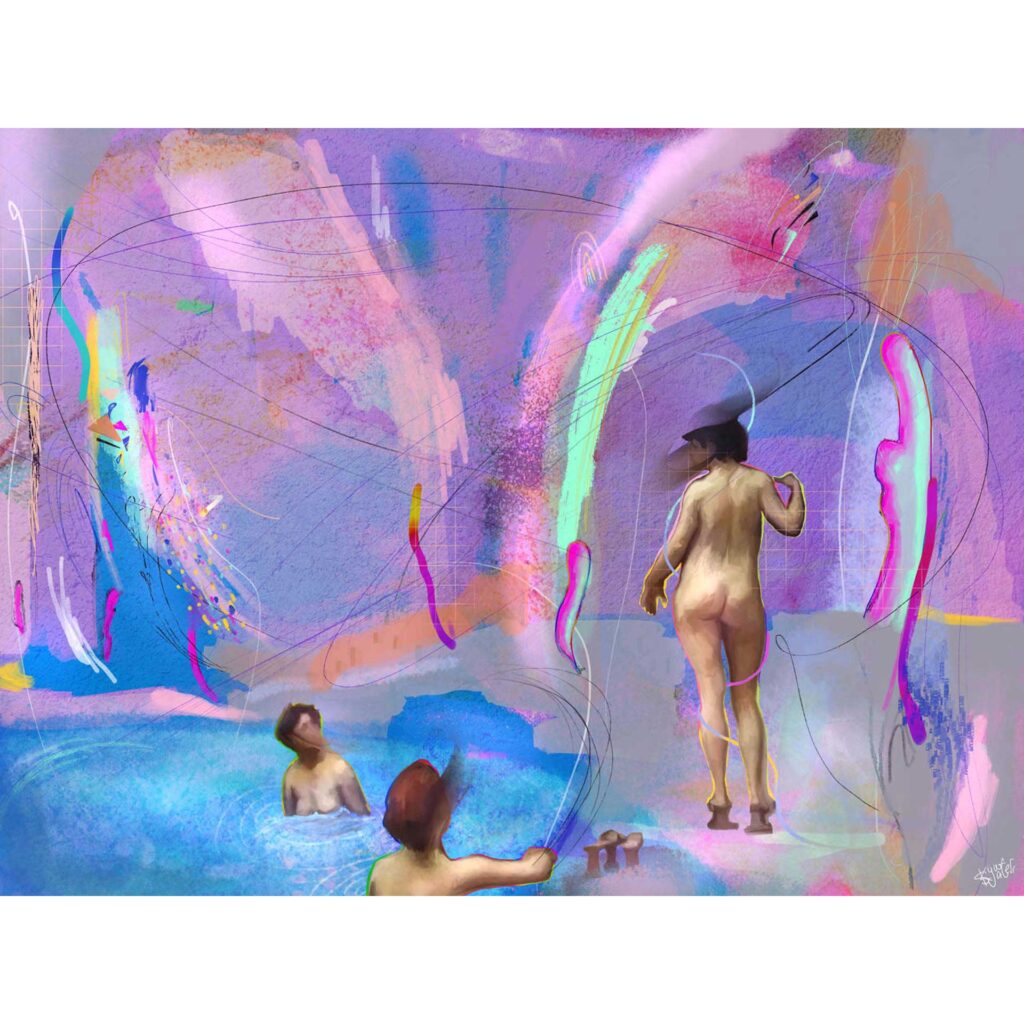
In 2020, at the height of the pandemic, three artists with deep Hamptons roots—Colin Goldberg, Oz Van Rosen, and Steve Miller — alongside artist Patrick Lichty, who joined from Abu Dhabi, came together on Zoom to launch Techspressionism. This new movement, which has been described as —“Expressionism for the 21st Century”—emerged at a pivotal moment shaped by three major shifts: the global push into digital life because of the pandemic, the explosion of mobile apps empowering everyday people to be creative, and the rise of machine-human collaboration in art.
Techspressionism builds upon a lineage rooted in the Hamptons, where Abstract Expressionists like Jackson Pollock and Lee Krasner lived and worked. Guided by Helen Harrison, a renowned Hamptons-based art historian and former director of the Pollock-Krasner House, Techspressionism has quickly become a global phenomenon, with over 350+ artists from 45 countries and over 80,000 Instagram posts using the hashtag.
techspressionism
/tek-spresh-uh-niz-uh m/
- An artistic approach in which technology is utilized as a means to express emotional experience.
- A 21st-century artistic and social movement.
Drone Footage Courtesy Joanna Steidle // Hamptons Drone Photos
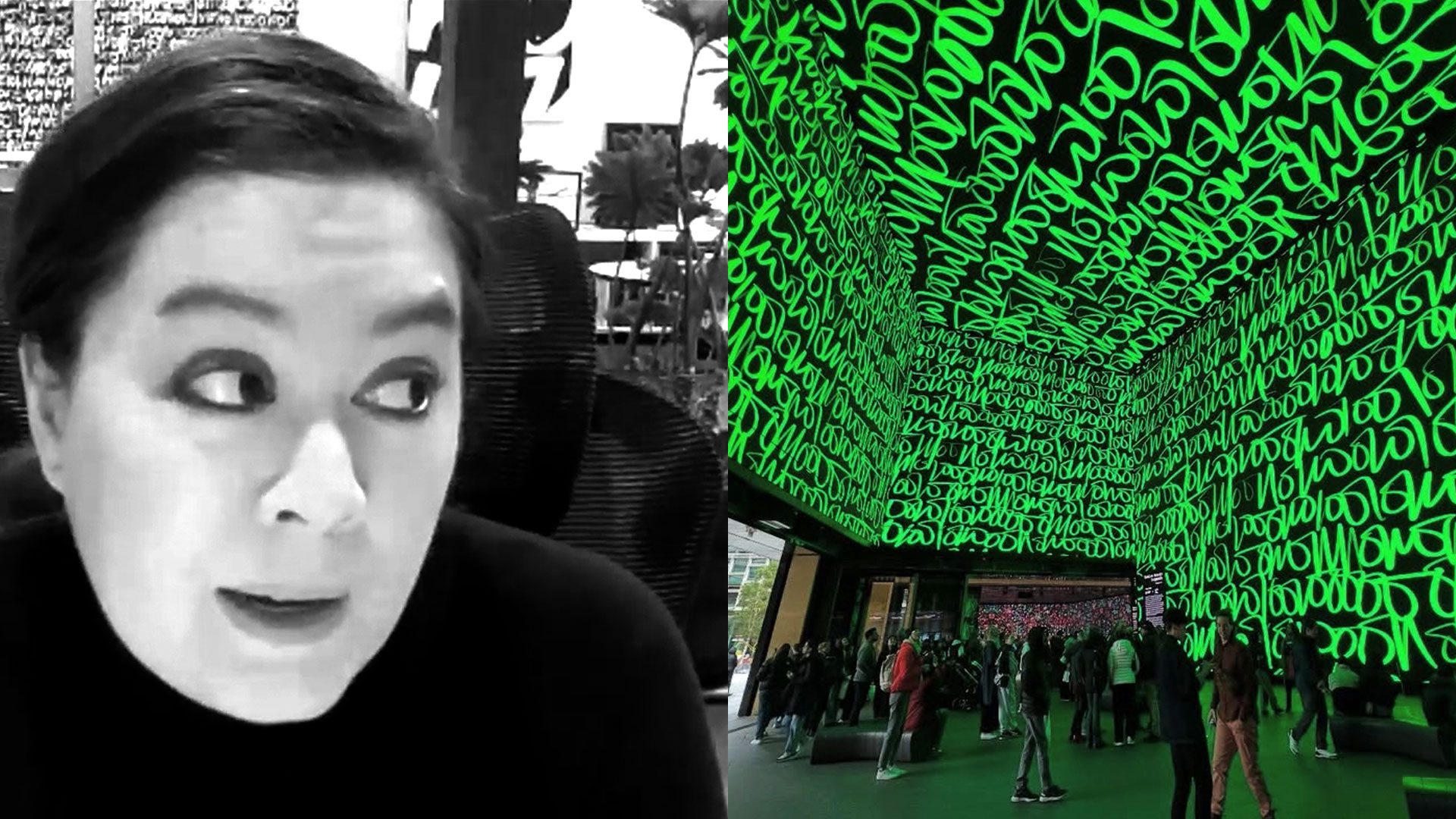
Sasha Stiles
Sasha is a Kalmyk-American poet and language artist whose award-winning work bridges tradition and innovation through hybrid poetics, generative imagination, and collaborative intelligence. Her work “A LIVING POEM” is on display at MoMA thru Spring 2026. Sasha’s transmedia practice reframes poetry as both art and technology — a means of encoding experience across time — and blends word, image and algorithm to explore human voice in a digital age. A co-founder of theVERSEverse and a graduate of Harvard and Oxford, she has served as Poetry Mentor to the AI humanoid BINA48 since 2018, and lives near New York City.
CURRENT EXHIBITION
In September 2025 a collective group of Techspressionist artists traveled to Urgench, Uzbekistan, to exhibit their work at the Museum of Contemporary Art (CAMUZ). Techspressionism / Texekspressionizm in Urgench includes works from 10 artists. We anticipate adding a reel of selected works by many more Techspressionist artists. Shirin Tashova, the director of CAMUZ, is working closely with this group of artists to organize this international exhibition which will promote the new genre of Techspresionsim in Uzbekistan. The exhibit opens to the public on September 25, 2025. An opening reception will be held on Thursday, September 25, at 15:00 (3:00 pm)
“Each age finds its own technique”.
– Jackson Pollock
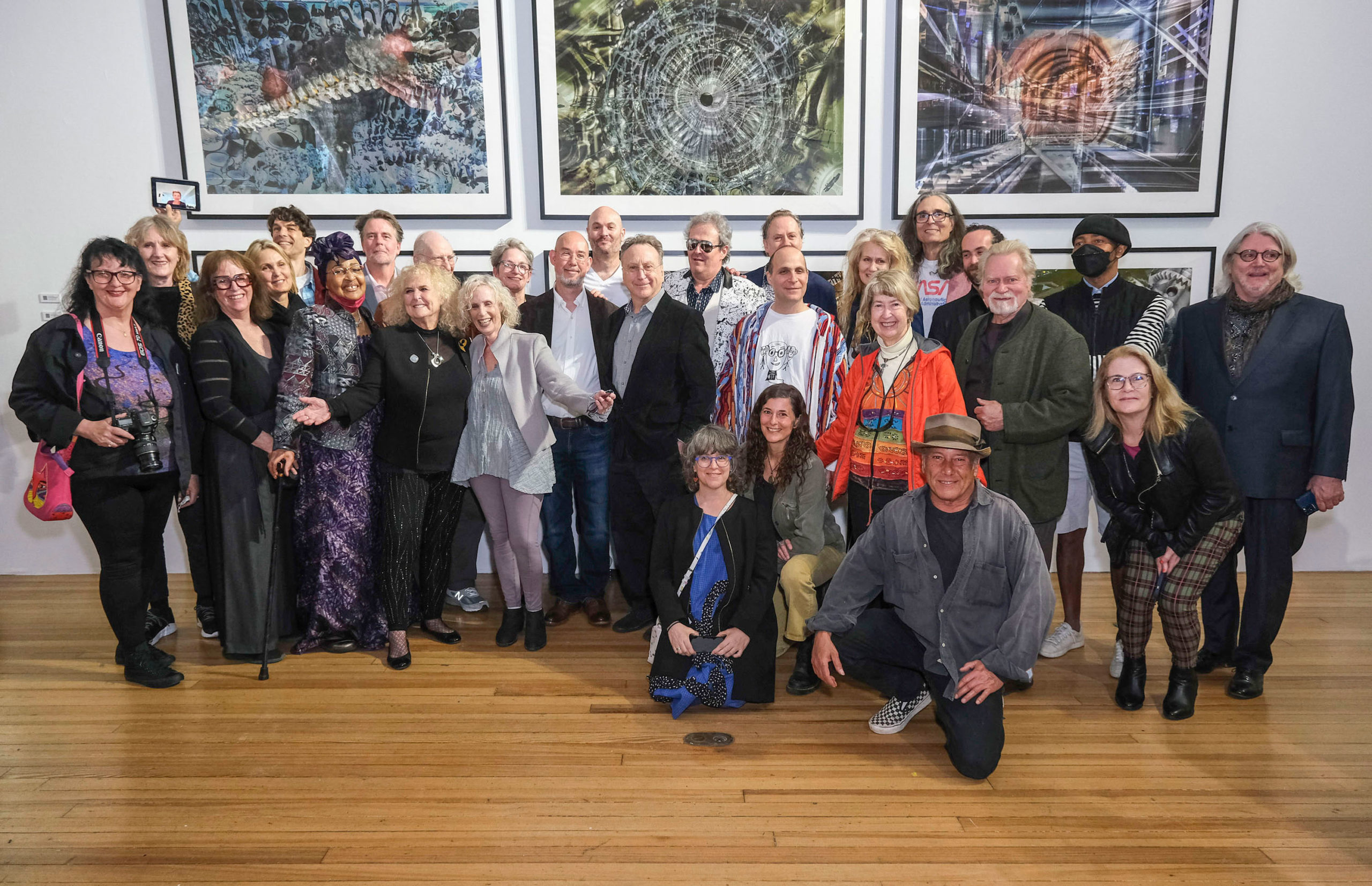
Techspressionism: Digital and Beyond opening reception at Southampton Arts Center, April 23, 2022.
Commentary by Helen A. Harrison
In 1928, ruminating on the rapid pace and profound nature of change in the twentieth century, the French poet and philosopher Paul Valéry wrote: “We must expect great innovations to transform the entire technique of the arts, thereby affecting artistic invention itself and perhaps even bringing about an amazing change in our very notion of art.” This prediction so impressed the cultural critic Walter Benjamin that he used it as the epigraph of his famous 1935 essay, “The Work of Art in the Age of its Technological Reproducibility” (as it was originally titled). These writers and others were pondering the same issues that face the artists who now, nearly a century later, self-identify as Techspressionists.
Thanks to digital technologies and the Internet, works of art have become, in Valéry’s formulation, ubiquitous; as he foresaw, “We shall only have to summon them and there they will be.” This level of accessibility requires us to adopt and accept new attitudes toward creative expression. As Benjamin observed, the debate regarding the artistic validity of new media, begun with photography and cinema in the late nineteenth century, centers on the so-called aura of the singular work of art. And the aura of uniqueness remains powerful. Yet a digitally-generated artwork is not a reproduction in the conventional sense—that is, a copy of something else—though it can be, and often is, reproduced in multiples that are indistinguishable one from another.
Hand-made versus mechanical. One-off versus duplication. Such binaries ultimately resolve in light of the works of art themselves. By whatever technique it’s created, Techspressionist imagery generates its own aura, deriving its authenticity from the artist’s intention. Expression is paramount; technology is merely the delivery system. Jackson Pollock faced a similar concern. Frustrated by the focus on his materials and methods rather than the content of his paintings, he insisted, “It doesn’t make much difference how the paint is put on as long as something is being said. Technique is just a means of arriving at a statement.”
Helen A. Harrison, June 2022
Pollock-Krasner House and Study Center.
Director, 1990-2024
CURRENT EXHIBITION
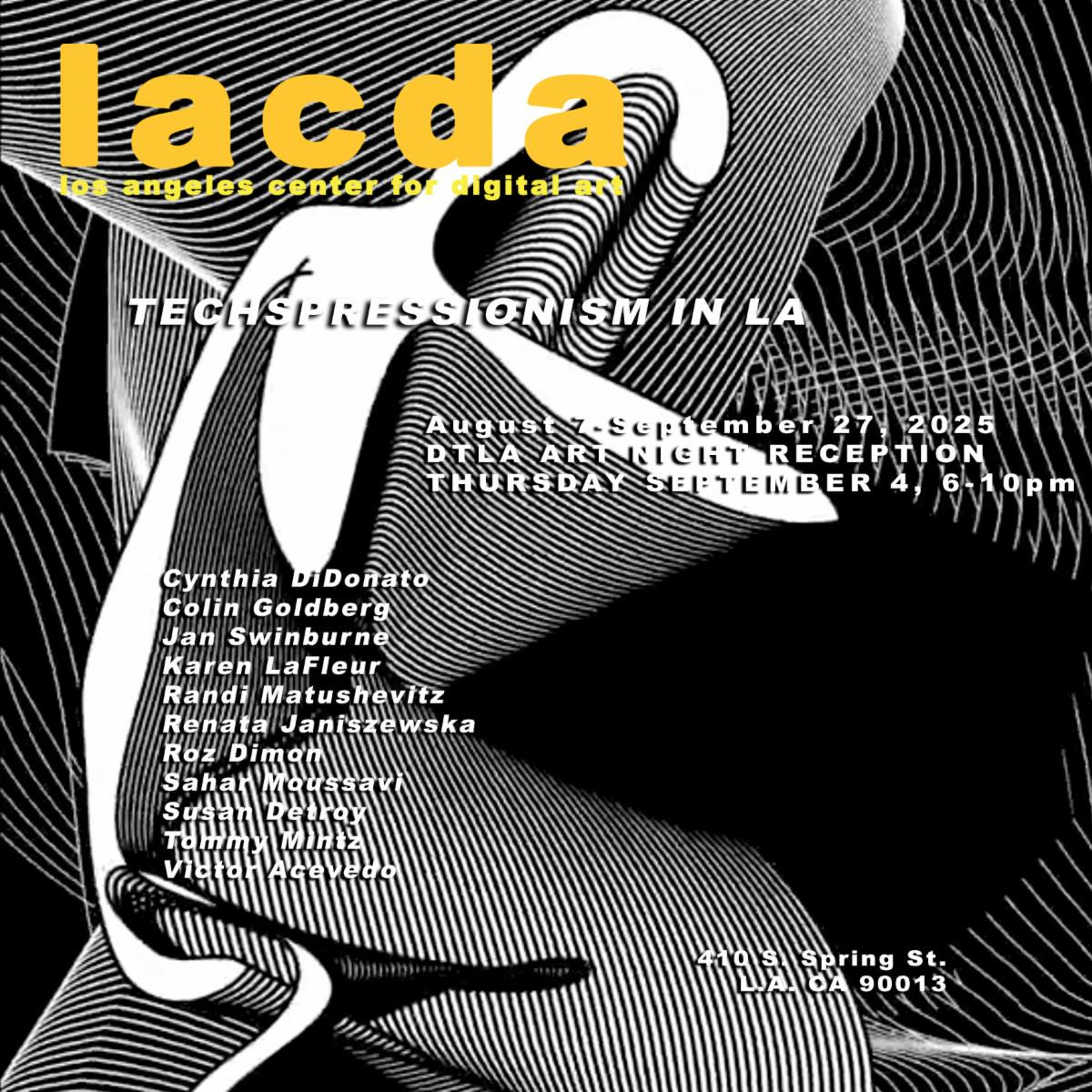
Techspressionism in LA
Los Angeles Center For Digital Art

August 7-30 // 410 Spring St, L.A. CA
Participating Artists
Cynthia DiDonato
Colin Goldberg
Jan Swinburne
Karen LaFleur
Randi Matushevitz
Renata Janiszewska
Roz Dimon
Sahar Moussavi 
Susan Detroy
Tommy Mintz
Victor Acevedo
“You’re a Techspressionist when you say you are”.
TECHSPRESSIONIST SALONS

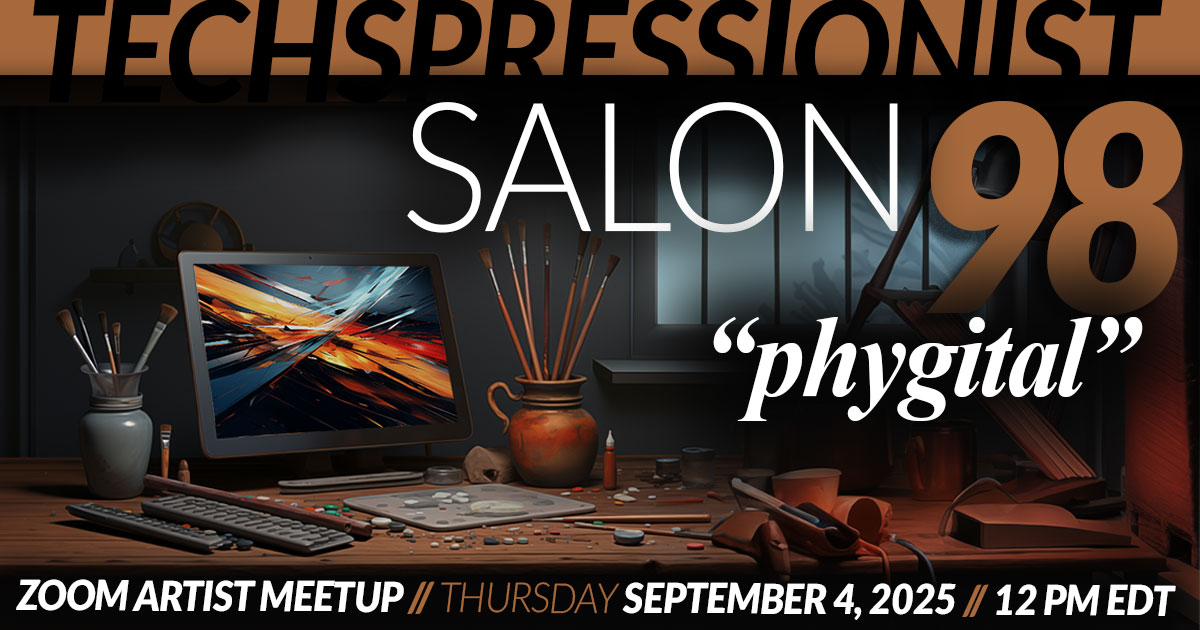
VIRTUAL CO-WORKING

Need a focus in the studio?
Want to connect with Techspressionists in a more personal way?
Interested in a global artistic experience?
Longing for creative inspiration or collaboration?
Yearning to share your work with one or two other artists?
We will sign on, and each briefly (30 -60 seconds) say what we plan to work on. Then we work for 1 hour. After 1 hour we have the option to briefly share what we did. Total session 1.5 hours.
Please take the survey below to help us form our groups. We may make multiple groups, so as to accommodate as many time zones and work/personal schedules as possible.